
How Much Does It Cost to Install a Smart Thermostat?
Direct answer
Smart thermostat installation cost typically runs about $300 at the Standard level for a Wi-Fi thermostat fitted to existing wiring, with a Budget to Premium range of about $175 to $520. What moves smart thermostat installation cost most is not the thermostat itself but the wiring behind the wall: a home that already has a common wire (C-wire) is a straightforward swap, while a home that needs a C-wire adapter, a new wire run, or a zoned setup costs more.
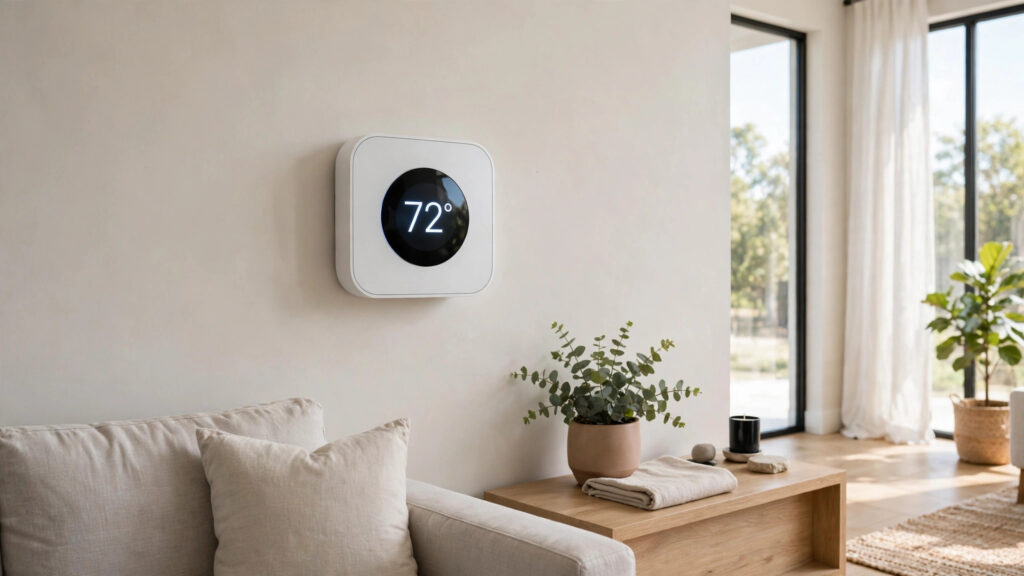
A smart thermostat connects your heating and cooling to your phone and your Wi-Fi network. It learns your schedule or follows one you set, adjusts the temperature when you are away, and lets you change settings from anywhere. Some models add room sensors that even out hot and cold spots, and some work with voice assistants and other smart home devices.
Use the Smart Thermostat Installation Cost Calculator early in your planning to see how smart thermostat installation cost changes with the model you choose, your wiring, and whether your system is zoned. It gives you a realistic figure before you invite a technician to quote.
What “smart thermostat installation” means
A smart thermostat installation is the complete job of replacing your old thermostat with a working smart one: removing the old unit, checking and connecting the wiring, mounting the new thermostat, connecting it to your Wi-Fi network, setting up the app and schedule, and testing heating and cooling before the technician leaves. Depending on your home, it can also mean adding a C-wire adapter, running new thermostat wire, fitting room sensors, or setting up a zone control panel.
A smart thermostat is not the same as a programmable thermostat, though it can do everything a programmable one does. A programmable thermostat follows a schedule you enter on the device. A smart thermostat adds Wi-Fi control from your phone, learning features that adapt to your routine, energy use reports, and often room sensors and voice control. If your current thermostat is a manual dial or a basic digital model with no schedule, the jump in control is large; if you already have a well-programmed schedule that you actually follow, the main gain is remote control and the sensors.
Installation is usually a small job compared with replacing heating or cooling equipment, and that is the job the smart thermostat installation cost covers. Most of the price is the thermostat itself plus a technician visit, and the work normally takes a single visit. The exceptions are homes that need new wiring fished through finished walls, heat pump or dual-fuel systems that need careful wiring, and zoned systems with dampers and a zone panel.
If you are replacing your heating or cooling equipment at the same time, the thermostat is a small part of a much larger project. Our guide to AC replacement cost covers the cooling side of that decision, including system size and efficiency.
Types of smart thermostats
The type you choose is the first driver of smart thermostat installation cost. Four types cover most homes, and the differences are in what the thermostat controls and what it needs from your wiring.
Smart Wi-Fi thermostat
A smart Wi-Fi thermostat is the standard choice: app control, scheduling, and remote access for a single heating and cooling system on standard wiring. It replaces your existing thermostat on the same wall plate location and uses your home Wi-Fi network. For a home with a C-wire already in place, this is the simplest installation, which keeps smart thermostat installation cost at the low end of the range.
Premium smart thermostat with sensors
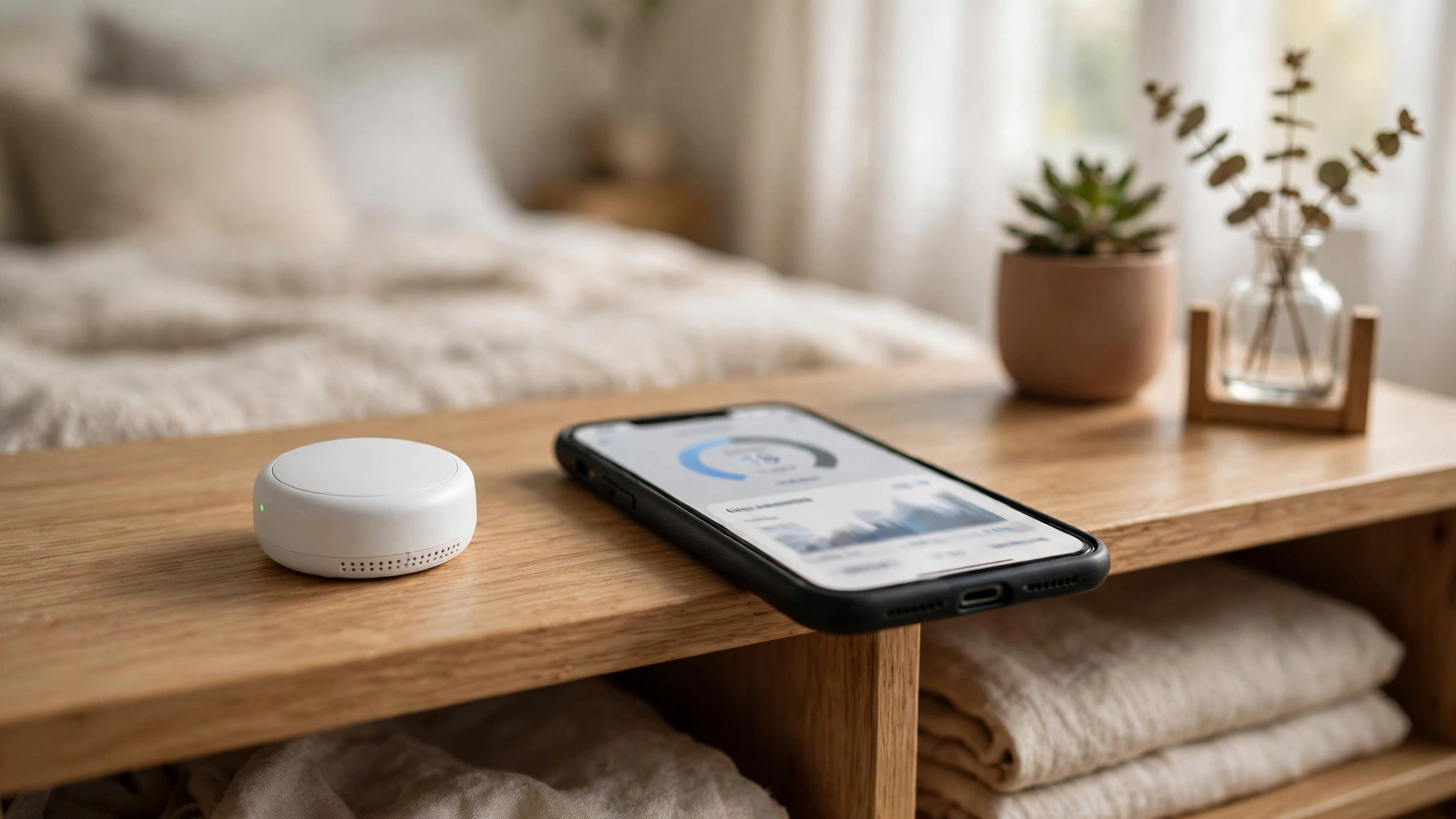
A premium model adds room sensors, learning features, and alerts. The sensors sit in bedrooms or other rooms and report their temperature back to the thermostat, so the system heats or cools based on the rooms you actually use rather than the hallway where the thermostat hangs. Each sensor adds to the equipment cost, and the setup takes longer, so sensors add to smart thermostat installation cost — but they are the main fix for a home with rooms that are always too hot or too cold.
Smart thermostat for heat pump or dual fuel
A heat pump or dual-fuel system needs a thermostat that understands it. A heat pump reverses its refrigerant flow to switch between heating and cooling, and the thermostat must control the reversing valve and any auxiliary heat correctly. A dual-fuel system pairs a heat pump with a gas furnace and switches between them. These models cost more than a basic Wi-Fi thermostat, and the wiring must be right, so a technician visit matters more here than for a standard system. If your home runs a heat pump, our guide to heat pump installation cost explains the system itself, including how dual-fuel setups work.
Smart zoned system (two zones)
A zoned system divides your home into two areas, each with its own thermostat and its own temperature, controlled by a zone panel and motorized dampers in the ductwork. Installing a smart zoned system means two thermostats, the zone panel, damper wiring, and setup for both zones, which is why it carries the largest smart thermostat installation cost of the four types. It suits larger homes and homes where one floor or wing always runs hotter or colder than the rest.
| Thermostat type | Budget | Standard | Premium |
|---|---|---|---|
| Smart Wi-Fi thermostat | $175 | $300 | $520 |
| Premium smart thermostat with sensors | $275 | $440 | $730 |
| Smart thermostat for heat pump or dual fuel | $245 | $405 | $680 |
| Smart zoned system (two zones) | $745 | $1,270 | $2,195 |
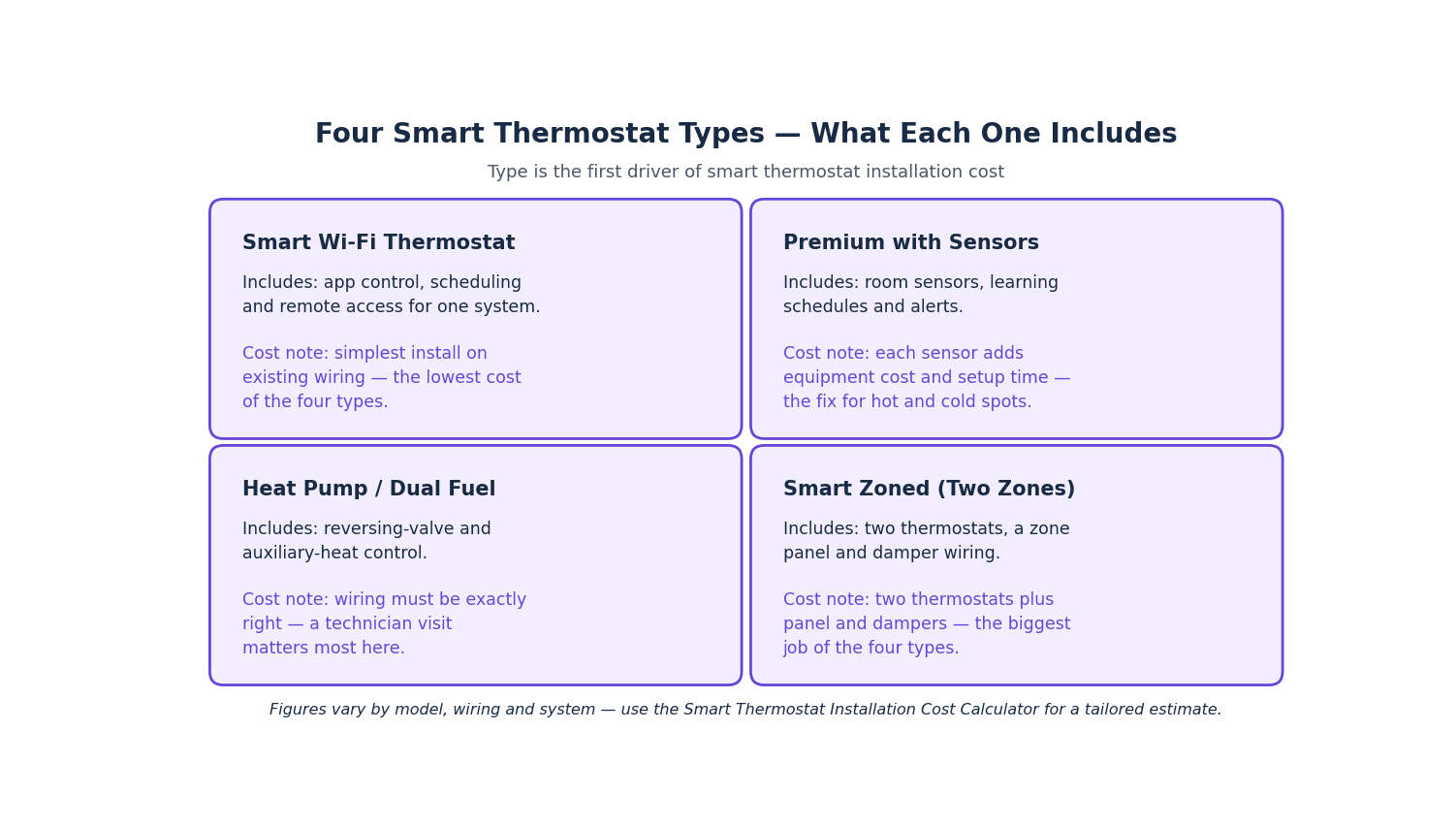
These are the calculator’s planning figures for easy access, wiring that is already in place, a technician visit, and an average labor market. Change any input on the calculator and the numbers update, because it prices the thermostat, wiring, labor, and disposal separately.
What Affects Smart Thermostat Installation Cost
No two jobs have the same smart thermostat installation cost, because the price is built from several moving parts. These are the ones that matter most.
Thermostat type and features
The thermostat itself is the largest single part of smart thermostat installation cost. A basic smart Wi-Fi model is the low end; a premium model with room sensors, learning features, and a larger display costs more; a heat pump or dual-fuel model sits in between; and a zoned system is a different scale of job because it involves two thermostats plus the zone panel and dampers.
Features worth weighing are room sensors, learning schedules, geofencing (which adjusts the temperature when your phone leaves or returns), voice assistant support, and energy reports. Each adds to the equipment price, and sensors add setup time. Buy the features you will actually use: a sensor in an unused guest room adds cost without comfort, while a sensor in a bedroom that runs cold every winter is money well spent.
The C-wire question
The C-wire is the single most common surprise in smart thermostat installation cost. Most smart thermostats need a common wire — the C-wire — for steady power. A smart thermostat is a small always-on device: its screen, Wi-Fi radio, and processor run around the clock, not only while heating or cooling. The C-wire completes the continuous 24-volt circuit from your heating and cooling equipment and gives the thermostat power at all times. Older thermostats ran on batteries or drew power in short bursts, so many homes were wired without one.
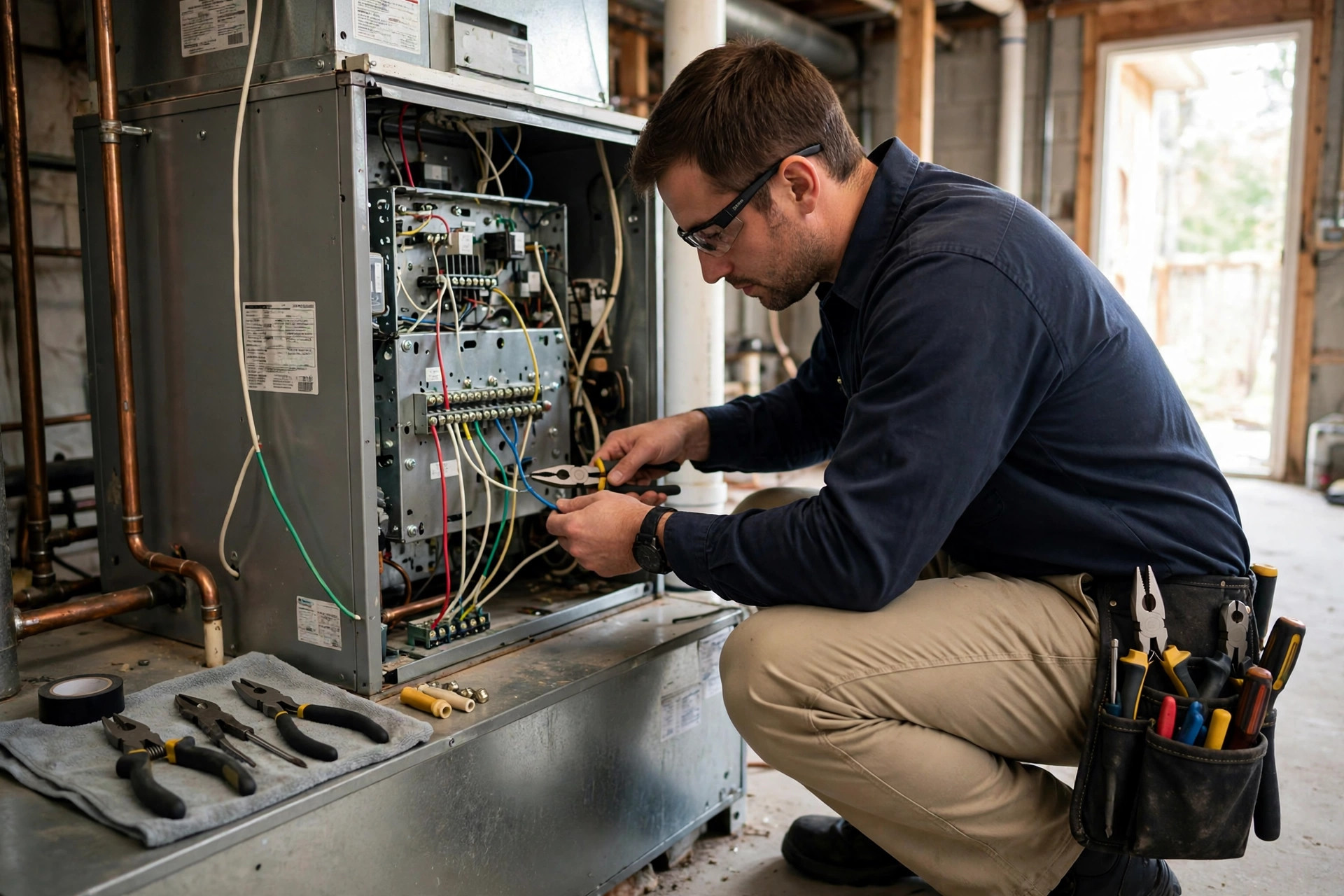
Before you buy, look behind your current thermostat (with the power off at the breaker) and check whether a wire is connected to the C terminal. Many homes have a spare wire — often blue — coiled unused behind the wall plate that can be connected as a C-wire at both ends, which is the cheapest fix. If there is no spare wire, the options are a C-wire adapter or transformer, which lets the thermostat draw power without a dedicated C-wire, or running a new wire.
Adding a C-wire adapter or transformer raises smart thermostat installation cost from about $300 to about $435 at the Standard level. Some models can draw power from other wires, so check the maker requirements for your model before assuming an adapter is needed. Heat pump systems need extra care here, because the reversing valve wiring must stay connected, and not every adapter handles that cleanly.
New wiring and wire runs
When no C-wire and no spare wire exist, a technician can run new thermostat wire from your heating or cooling equipment to the thermostat location. At the Standard level, a new 50-foot wire run brings the estimate to about $525 in the open, and about $670 through finished walls and ceilings. Longer runs and finished walls take more time, and the route matters: an open basement or attic above the thermostat makes the job easy, while finished walls on both sides mean fishing wire through tight spaces.
Drywall repair is not included in the calculator’s figures, so if the wire run needs holes cut in finished walls, budget separately for patching and painting. That is the main reason a wire run through finished walls costs more than the wire itself — the making good afterward is a separate job.
System compatibility
Compatibility shapes smart thermostat installation cost because the wrong thermostat for your system either will not work or needs extra parts. Most smart thermostats are built for low-voltage 24-volt systems: standard furnaces, air conditioners, and heat pumps with conventional control wiring. That covers most homes with forced-air heating and cooling.
The exceptions matter. Electric baseboard heaters and in-wall heaters usually run on line voltage (120V or 240V), and standard smart thermostats are not compatible with them — those homes need a thermostat made for line-voltage systems. Multi-stage systems, which have two or more heating or cooling stages, need a thermostat that supports staging. Zoned systems need one thermostat per zone plus a zone panel. Oil boilers, millivolt systems (some gas fireplaces and older wall heaters), and proprietary communicating systems may need a specific model or an adapter. If you are unsure what system you have, check the wiring labels at the thermostat and the equipment manual, or ask a technician to confirm compatibility before you buy.
Wi-Fi setup, sensors, and extras
A smart thermostat needs a reliable Wi-Fi signal where it hangs on the wall. If your router is far away or the signal is weak at the thermostat location, setup may include moving the thermostat slightly, adding a Wi-Fi extender, or improving coverage — small extras that add to smart thermostat installation cost. The app setup itself is usually quick: creating an account, connecting the thermostat to your network, entering your schedule, and testing remote control.
Room sensors are the most common extra. Each sensor needs placing, pairing, and naming in the app, and the thermostat needs to know which sensors matter at which times of day. Other extras include a new wall plate or trim plate to cover marks left by a larger old thermostat, a wire label kit for a confusing bundle, and special disposal of an old mercury thermostat, which must be handled as hazardous waste and is only charged when selected.
Labor, access, and timing
Labor is the other half of smart thermostat installation cost. It covers the technician’s time for removing the old thermostat, wiring, mounting, setup, and testing. A straightforward swap on existing wiring is a short visit; a job that needs a C-wire adapter, a new wire run, sensors, or a zone panel takes longer. Labor rates vary across the United States, and an urgent or after-hours visit carries a service premium when selected.
Access matters more than people expect. A thermostat on an open hallway wall above an unfinished basement is easy to wire; one on a finished wall with no access above or below is not. If your equipment is in a cramped attic or crawl space, the technician needs time to reach the control board safely. When you book, mention where the thermostat is and where the equipment sits, so the visit is priced for the real job.
Labor and installation work
The equipment is only part of smart thermostat installation cost. The rest is the work of fitting it properly, and the scope of that work is what makes one installation a quick swap and another a half-day job.
A typical installation follows a clear sequence. The technician starts by turning off power to the heating and cooling system at the breaker, then removes the old thermostat and photographs or labels the existing wires. Next comes the compatibility check: confirming the wires present, whether a C-wire is connected, and whether the system is single-stage, multi-stage, heat pump, or zoned. If a C-wire adapter is needed, it is fitted at the equipment’s control board; if a new wire run is needed, that is done before the new thermostat goes on the wall.
Then the new thermostat is mounted, level, on the wall — ideally on an interior wall away from direct sunlight, drafts, and heat sources, since a thermostat in a sunny spot or above a lamp reads the room wrong. The wires are connected to the matching terminals, power is restored, and the thermostat is set up: Wi-Fi connection, app account, schedule, and any room sensors. Finally, the technician tests heating and cooling modes, checks that the fan runs, and confirms the app controls the thermostat from another room.
Old equipment disposal is part of the labor too. If your old thermostat contains mercury — common in older round dial thermostats — it must be disposed of as hazardous waste, not put in the trash. The calculator includes special disposal only when selected, so mention it when you book if your old thermostat is a mercury model.
Is a smart thermostat worth it?
The honest answer depends on what you are replacing and how you use it. A smart thermostat saves energy by holding temperatures closer to what you actually need: setting back while you sleep or are out, and heating or cooling the rooms you use. If your current thermostat holds one temperature all day and night, a smart schedule can make a real difference. If you already program setbacks carefully and follow them, the saving is smaller.
The independently certified figure is the one worth budgeting on. ENERGY STAR’s smart thermostat FAQ states that, on average, an ENERGY STAR certified smart thermostat saves approximately 8% of heating and cooling bills, or about $50 per year, with savings possibly greater depending on climate and personal comfort preferences. Manufacturer claims run higher, but they reflect specific use patterns and starting points, not the average home. The ENERGY STAR figure comes from field data collected from real homes, which is the fairer comparison.
Beyond energy savings, the value is in control and comfort: changing the temperature from your phone before you get home, getting an alert if the temperature drops while you are away in winter, and evening out rooms with sensors. Whether that justifies smart thermostat installation cost for your home depends on how much you value remote control and how uneven your rooms are. For a home with a single thermostat and steady routines, a basic Wi-Fi model is often enough; for a home with hot and cold spots, the premium model with sensors earns its keep in comfort, not just in energy saved.
Permits, rebates, and making good
A like-for-like thermostat swap is a small electrical job, and in most areas it needs no permit — but the wiring work can be a different story. If the job involves running new wire through finished walls, or any work at the equipment’s control board beyond a standard adapter, ask your technician whether your area requires anything before the work starts. The technician normally knows the local rules, and any fee would be part of the project cost.
Rebates are worth checking before you budget, because they can change the smart thermostat installation cost you actually pay. Some electric and gas utilities offer rebates for ENERGY STAR certified smart thermostats, and some run programs that give a discount or a free thermostat in exchange for letting the utility adjust your temperature slightly on peak demand days. Amounts and rules vary by utility and change often, and the calculator’s figures do not apply any rebate, so check what your utility currently offers and confirm the eligibility rules yourself rather than relying on a sales claim.
Making good is the work of putting your home back together after the installation: patching any holes cut for a wire run, repainting, and covering marks left by a larger old thermostat. A trim plate usually covers the outline of an old thermostat neatly. If the wire run needed holes in finished walls, that patching and painting is a separate job from the thermostat installation itself, so ask what making good is included before the work starts.
How to compare smart thermostat quotes
Because smart thermostat installation cost varies so much with scope, the only way to compare quotes fairly is to make sure each one covers the same work. A lower quote that excludes the C-wire adapter, the wire run, or the sensors is not cheaper — it is incomplete.
Before you invite technicians, gather the basics: the brand and model of your current thermostat, a photo of the wires behind it (with the power off), your heating and cooling system type, whether you have a C-wire, and which rooms run hot or cold. Then check that each quote names the thermostat model, the wiring work included, the number of sensors, Wi-Fi setup, removal and disposal of the old thermostat, and any making good.
Ask each technician the same questions: Is my system compatible with this model, and how did you check? Do I have a C-wire, and if not, what is your fix — adapter, spare wire, or new run? What is included in the price and what is not? What warranty covers the thermostat, and what covers the installation work? A thorough technician who explains the wiring is usually a safer choice than a lower quote with no explanation.
For more on choosing the technician themselves, see our guide to how to hire an HVAC contractor.
Use the Smart Thermostat Installation Cost Calculator to build an estimate for your own home before you compare quotes. It gives you a realistic starting point for smart thermostat installation cost, so you can spot a quote that is missing major scope — or one that includes work your home does not need.
FAQs
How much does smart thermostat installation cost?
Smart thermostat installation cost typically runs about $300 at the Standard level for a Wi-Fi thermostat on existing wiring, with a Budget to Premium range of about $175 to $520. A premium model with sensors, a heat pump model, and a zoned system cost more. Use the Smart Thermostat Installation Cost Calculator for a tailored estimate, and compare detailed quotes from qualified local technicians.
Do I need a C-wire for a smart thermostat?
Most smart thermostats need a common wire (C-wire) for steady power, because the screen, Wi-Fi radio, and processor run around the clock. If your home has no C-wire, a C-wire adapter or transformer raises smart thermostat installation cost from about $300 to about $435 at the Standard level, and a new 50-foot wire run costs about $525 in the open or about $670 through finished walls. Some models can draw power from other wires, so check the maker requirements for your model.
Can I install a smart thermostat myself?
You can, if your system is a standard single-stage furnace or air conditioner, you already have a C-wire, and you are comfortable turning off power at the breaker and matching wires to terminals. Hire a technician if you have no C-wire, a heat pump or dual-fuel system, a zoned system, a multi-stage system, or a line-voltage system — or if the wiring behind your old thermostat does not match the labels in the instructions.
Will a smart thermostat work with my heat pump?
Yes, if you choose a model made for heat pumps. A heat pump or dual-fuel smart thermostat controls the reversing valve and auxiliary heat correctly, and costs about $245 to $680 across the Budget to Premium range. The wiring must be right, so a technician visit is worth it for a heat pump system.
Will a smart thermostat work with baseboard heaters?
A standard smart thermostat will not. Standard models are built for low-voltage 24-volt systems, while electric baseboard heaters and in-wall heaters usually run on line voltage (120V or 240V). Those homes need a thermostat made for line-voltage systems — do not connect a standard smart thermostat to line-voltage wiring.
How much can a smart thermostat save on energy bills?
ENERGY STAR states that, on average, an ENERGY STAR certified smart thermostat saves approximately 8% of heating and cooling bills, or about $50 per year, with savings possibly greater depending on climate and personal comfort preferences. Your actual saving depends on your starting point: the saving is largest if you are replacing a manual thermostat or a schedule you never followed, and smallest if you already program setbacks carefully.
Do I need Wi-Fi for a smart thermostat?
You need Wi-Fi for the smart features: app control, remote access, learning schedules, software updates, and alerts. Without Wi-Fi, most smart thermostats still control heating and cooling from the wall like a programmable thermostat, but you lose remote control and the app. If your Wi-Fi signal is weak at the thermostat location, fix the coverage before or during installation.
Conclusion
Smart thermostat installation cost is shaped by the model you choose, the wiring behind your wall, and the system it controls. A Wi-Fi thermostat on existing wiring is a small, straightforward job; a premium model with sensors, a heat pump system, or a zoned setup involves more equipment and more decisions. The C-wire is the detail that most often changes the price, so checking your wiring before you buy is the single most useful step you can take.
Start with the Smart Thermostat Installation Cost Calculator to build an estimate for your own home, then compare detailed quotes from qualified local technicians, checking that each one covers the same scope. A smart thermostat is a small upgrade with an everyday payoff — the time spent getting the model, the wiring, and the setup right is time well spent.
