
How Much Does It Cost to Replace a Skylight?
Direct answer
The cost to replace a skylight depends mainly on the size and type of the new unit, the condition of the roof and flashing around the opening, how easy the roof is to reach, and how much interior repair the work leaves behind. A straightforward replacement in the same opening, with sound roofing, will usually cost less than a job that needs a different-sized unit, new flashing, roof repairs, or drywall and trim work inside. Because labor rates, roof materials, and home layouts vary so much across the United States, there is no single national price that fits every home. Work through the cost drivers below, then use the Skylight Replacement Cost Calculator to build an estimate for your own home, and compare detailed written quotes from qualified local roofers or skylight installers.
Use the Skylight Replacement Cost Calculator early in your planning. It shows how skylight type, size, and roof details change the estimate before you invite installers to quote.
What “skylight replacement” means
Skylight replacement means removing an existing skylight and fitting a new unit, usually in the same roof opening. It is different from fitting a skylight where there was not one before, which needs a new hole cut through the roof and ceiling, new framing, and a new interior light shaft. Replacement is the middle ground: the old unit comes out, the opening is checked, and a new skylight goes in with new flashing and seals. But it can still uncover work a simple repair would not: rotted curb or decking, failed flashing, damaged insulation, or water staining inside.
Fixed versus vented skylights
The first choice is whether the new skylight opens. A fixed skylight does not open, lets in daylight, and has fewer moving parts. A vented skylight opens, either by hand or with an electric motor and remote control, so it can let warm air out and bring fresh air in. That can help in a bathroom, kitchen, or stuffy upper room, but the mechanism, motor, and controls add equipment cost, and an electric model needs power run to it. If the old unit was vented and the motor has failed, ask whether the problem is the motor, the control, or the unit itself, because the answer changes whether a repair or a full replacement is the sensible step.
Size, shape, and glazing
Skylight size has a direct effect on cost. A larger unit costs more to buy, needs more flashing, and takes longer to fit and seal. Changing to a different size adds work: the opening has to be reframed, the roofing around it adjusted, and the interior shaft and trim reworked. Staying with the same size is usually simpler and cheaper, provided the existing opening is sound. Glazing is the glass or plastic panel in the skylight. Options include single, double, or triple glazing, low-emissivity coatings, tinted or frosted glass for privacy, and laminated or tempered glass for safety. Thicker or coated glazing usually costs more, but it can reduce heat loss in winter, limit overheating in summer, and cut glare.
Flashing: the part that keeps water out
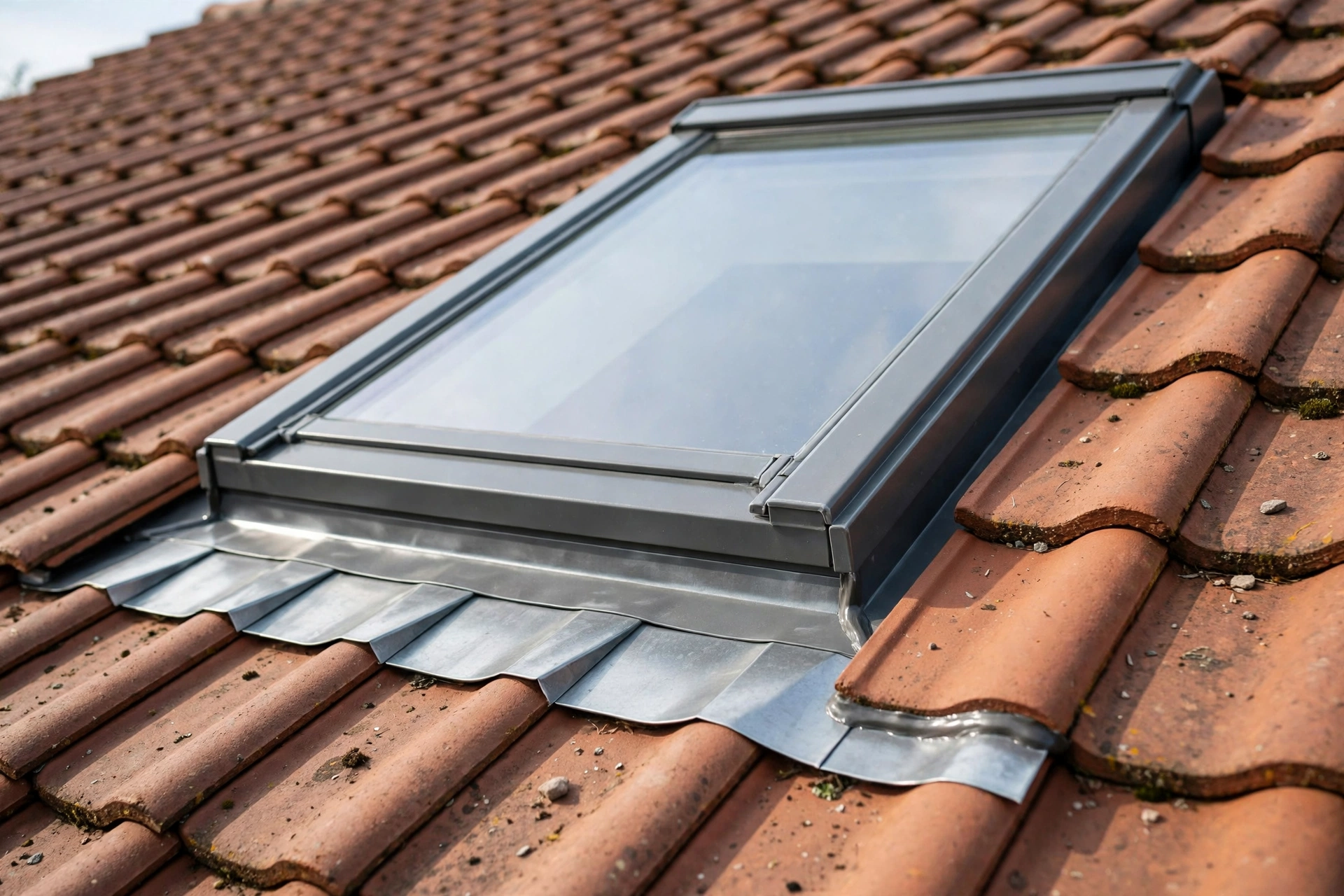
Flashing is the metal or membrane material that seals the joint between the skylight and the roof. It is the part most likely to cause a leak if it is fitted badly, and it is the part most often replaced as part of a skylight replacement. A complete replacement should include new flashing, fitted to the roofing material and the skylight manufacturer’s instructions, not a reuse of old flashing that has already been bent, nailed, and weathered. Ask every installer whether new flashing is included in the quote and whether the roofing around the skylight will be lifted and refitted.
Roof pitch, height, and access
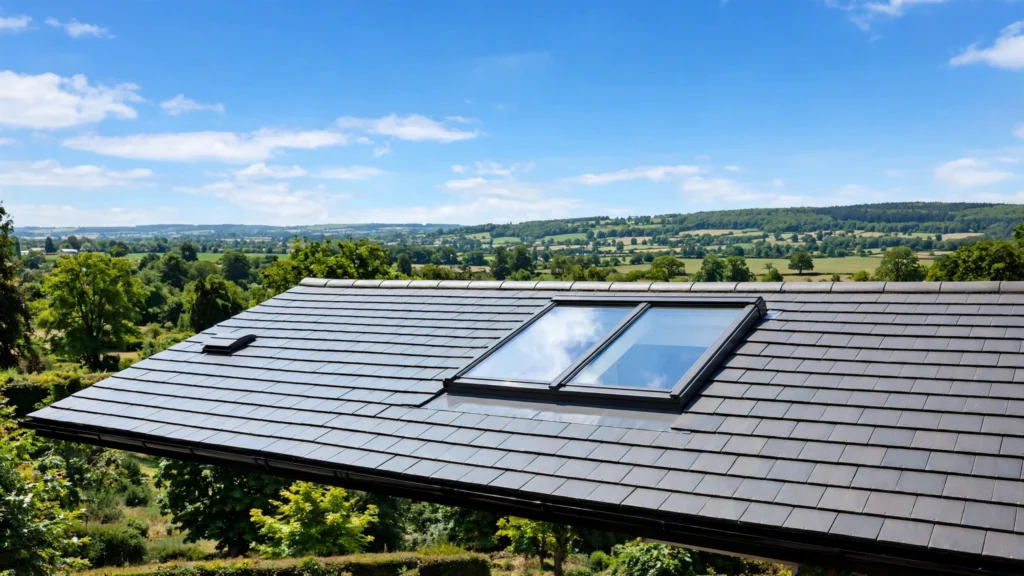
Roof pitch and access affect labor more than most homeowners expect. A skylight on a low, easily reached roof with a gentle pitch is quicker and safer to work on than the same skylight on a steep roof, a high roof, or a roof with limited access. Steep or high roofs may need extra safety equipment, staging, or more time to move materials up and down, and that time shows up in the labor cost. Weather also plays a part: skylight work leaves the roof open for a time, so installers prefer dry conditions, and a job delayed by rain may need to be rescheduled rather than rushed.
Removing the old unit and checking for water damage
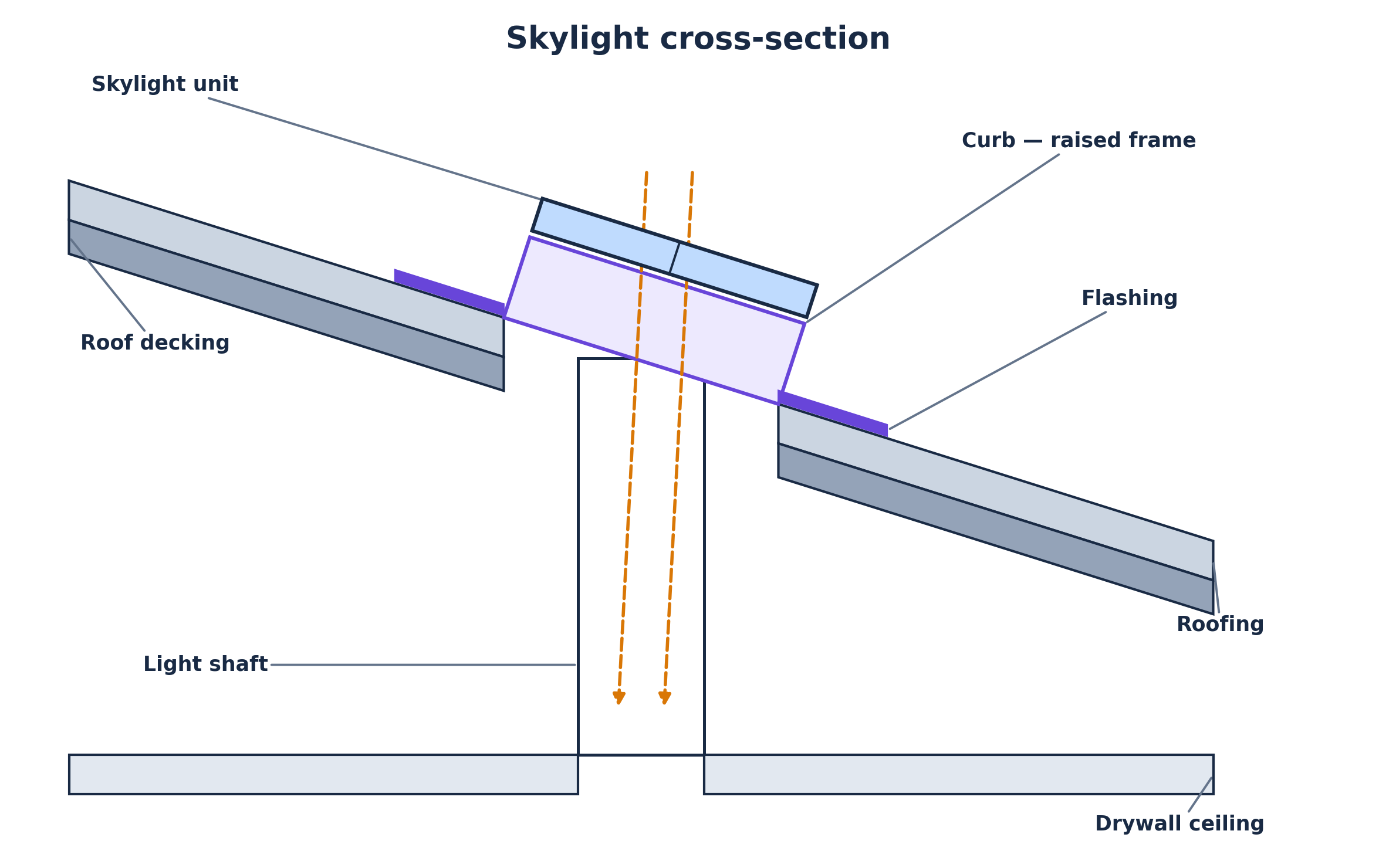
Removal sounds simple, but it is where hidden problems usually appear. Once the old skylight is out, the installer can see the curb — the raised frame the skylight sits on — the roof decking around it, the insulation, and the inside of the light shaft. A thorough installer will check the curb for rot and level, check the decking for soft spots, and look for staining or damp in the insulation and drywall. That extra work adds cost and time, and it is difficult to price exactly until the old unit is removed. Ask installers how they handle discoveries like this: will they stop and show you the problem, and will they price the extra work before doing it?
Interior repairs: drywall, trim, and paint
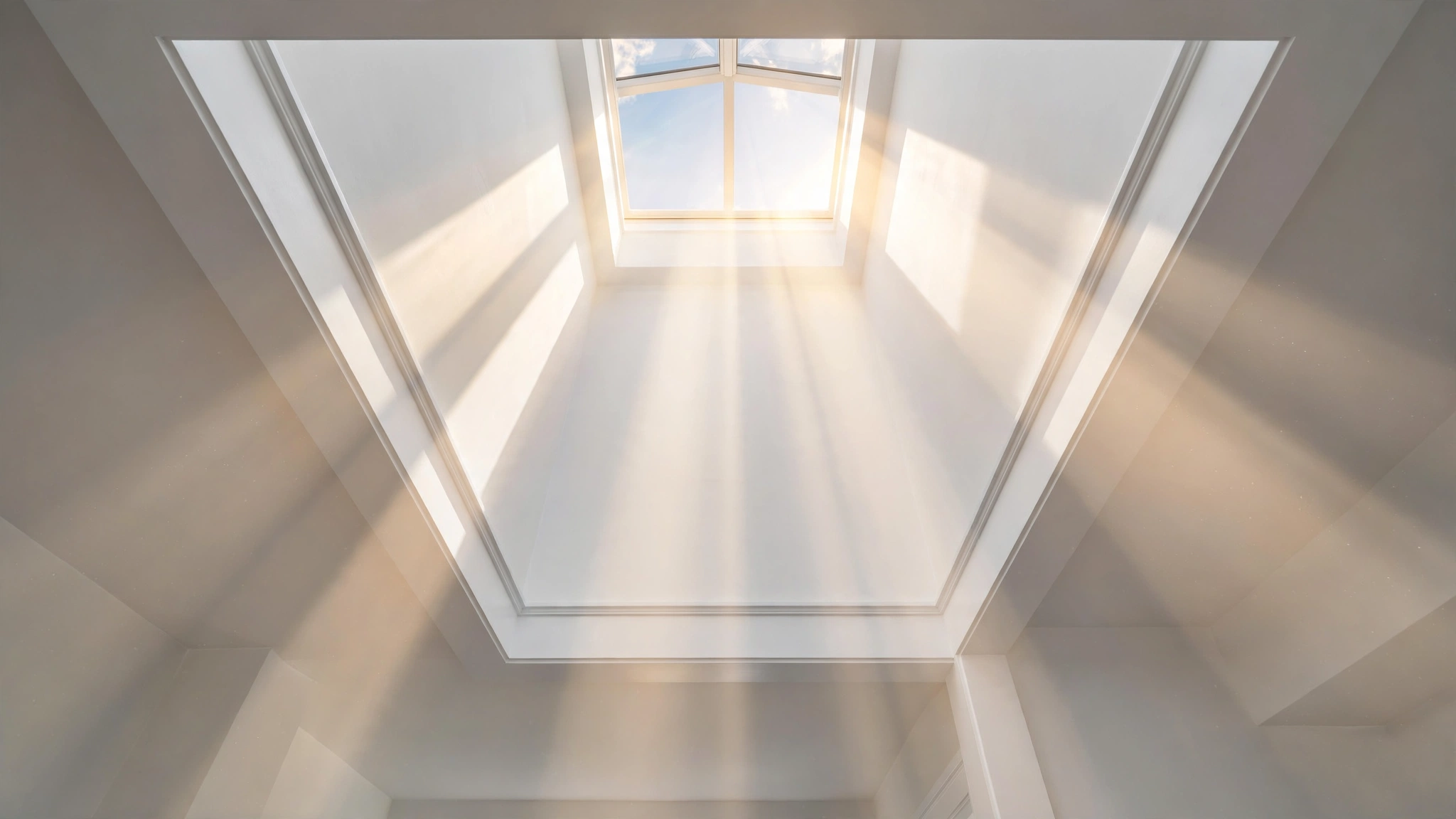
A skylight replacement is not finished when the new unit is sealed on the roof. Inside, the light shaft, drywall, trim, and paint around the opening often need attention. The new unit may sit slightly differently from the old one, the trim may need to be removed and refitted, and the drywall around the shaft may be cracked, stained, or damp. Ask each installer what interior work is included in the price and what is left for you or another trade. Some roofing installers handle the roof and flashing only, and leave interior finishing to a drywall contractor or to the homeowner. Others include basic interior making-good. Neither approach is wrong, but you need to know which one you are buying so you can budget for the rest.
Labor and installation work
Labor is usually a large part of a skylight replacement, after the skylight itself, and it varies with the scope of the work. A straightforward same-size replacement with new flashing, good access, and sound decking takes less time than a job that needs a new curb, decking repairs, a size change, or extensive interior work. The installer also needs time to seal and test the work: fitting the flashing correctly, checking that water runs away from the opening, and confirming that a vented unit opens and closes properly and seals when shut. When you compare quotes, check that removal and disposal of the old unit, new flashing, underlayment, sealant, and any curb work are included, and ask how long the work will take and what happens if rain is forecast. A job rushed to beat the weather is more likely to leak later than a job done in dry conditions with time to seal it properly.
Permits, warranties, and other costs
Most skylight replacements do not need a building permit if the opening stays the same size and the roof structure is unchanged, but that is not true everywhere, and a size change or structural work may need one. Check with your local building department or ask the installer whether a permit is required in your area, who arranges it, and what it costs. Warranties are worth reading before you sign. The skylight itself usually carries a manufacturer’s warranty, which may cover the frame and glazing for a set period, and the installer should offer a separate warranty on the installation and flashing work. Ask how long each warranty lasts, what it covers, and who to call if the skylight leaks. Other costs to budget for include disposal of the old unit, any electrical work for a vented model, and interior painting.
What can push the cost up — and what can keep it down
Several factors commonly raise the cost of a skylight replacement: a larger or custom-shaped unit; a vented or electric model; thicker or coated glazing; a steep or high roof; poor access; a damaged curb or decking; a size change; and extensive interior repairs. A few choices can keep the project simpler without cutting corners. Staying with the same size avoids reframing and shaft work. Choosing a fixed unit where ventilation is not needed avoids the cost of a motor and wiring. And getting the flashing fitted properly the first time, with new materials and enough time to seal it, matters more over the life of the skylight than a small saving on the installation day.
How to compare installer quotes
Do not compare quotes on the headline total alone. Ask each installer for an itemized written quote that names the skylight make and model, its size, whether it is fixed or vented, the glazing, the flashing type, the curb work included, the interior making-good included, and the disposal of the old unit. Useful questions to ask every installer: Is the opening sound, or will the curb or decking need work? Is new flashing included, and what type? What interior work is included, and what is left for me? What warranties cover the skylight and your work, and who do I call if it leaks? A good installer will answer these directly and in writing. If an installer is unwilling to itemize the quote or explain the flashing, treat that as a reason to get another quote.
Planning checklist before you book
-
-
- Note the size, shape, and type of the existing skylight, and whether it opens.
- Look for signs of leaking: water stains on the ceiling, damp in the shaft, or condensation between the panes.
- Check the roofing around the skylight and how easy the roof is to reach.
- Confirm whether new flashing, curb work, and interior repairs are included.
- Ask how extra work found after removal will be priced and agreed.
- Use the Skylight Replacement Cost Calculator to build an estimate for your home before you compare quotes.
-
FAQs
How much does it cost to replace a skylight?
It depends on the size and type of the new skylight, the condition of the flashing and roof around the opening, roof access, and how much interior repair is needed. There is no single national price, so build an estimate with the Skylight Replacement Cost Calculator and compare itemized quotes from qualified local installers.
Is it better to repair or replace a skylight?
A repair may be enough if the problem is a small seal failure or a faulty part and the unit and flashing are otherwise sound. Replacement is often preferable if the skylight is old, the glazing has failed, the frame is damaged, or there is water damage around the opening.
Can I replace a skylight with the same size?
Yes, in most cases a like-for-like replacement in the same opening is the simplest option. It avoids reframing the opening and reworking the interior shaft.
Does skylight replacement include new flashing?
It should. A complete replacement normally includes new flashing fitted to the roofing material and the skylight manufacturer’s instructions. Ask every installer to confirm in writing that new flashing is included.
How long does it take to replace a skylight?
It depends on the scope. A straightforward same-size replacement with sound decking and good access is usually quicker than a job that needs curb or decking repairs, a size change, or extensive interior work.
Will replacing a skylight stop a leak?
A new skylight with new flashing should stop a leak that comes from the skylight or its flashing, provided the opening is sound and the flashing is fitted correctly.
Do I need a permit to replace a skylight?
Most like-for-like replacements do not need a permit, but rules vary by area, and a size change or structural work may need one.
Conclusion
A skylight replacement is a roofing job as much as a window job. The unit itself matters, but the flashing, the curb, the roof around the opening, and the interior finish matter just as much, and they are where most of the cost — and most of the risk of a leak — sits. Work through the cost drivers above, build an estimate with the Skylight Replacement Cost Calculator, and compare itemized quotes from qualified installers who can explain their flashing, their scope, and their warranties in writing.
