
Boiler Replacement Cost: Labor, Materials & Installation
Direct answer
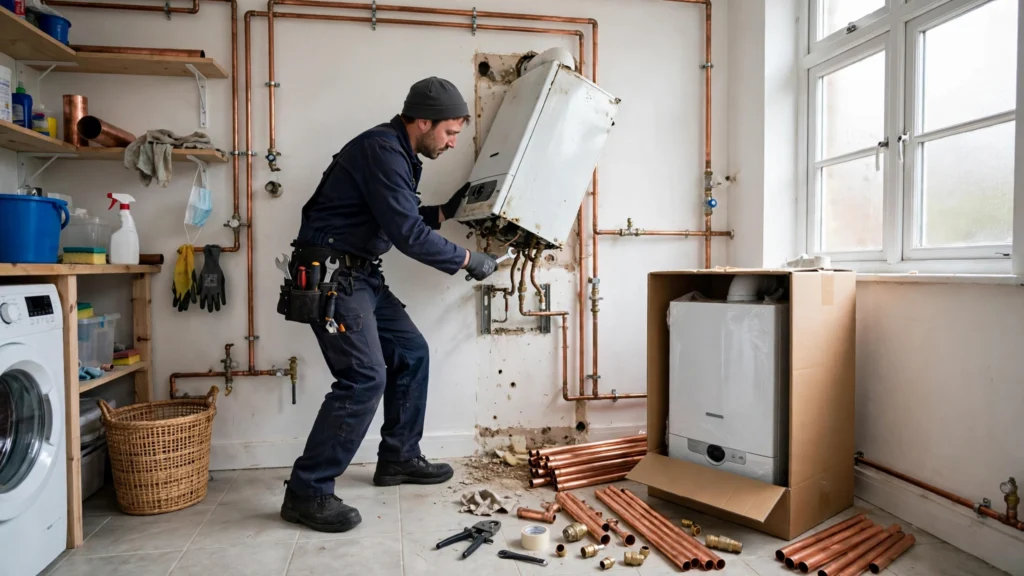
Boiler replacement cost is driven by three things: the new boiler itself, the work to remove and dispose of the old one, and the changes needed to make the new boiler work well with the rest of your heating system. A like-for-like replacement — the same fuel, the same type of boiler, in the same place, reusing sound pipework and radiators — is usually the simplest and least expensive kind of replacement. A replacement that changes the system, for example moving from a conventional boiler with a hot-water cylinder to a combi boiler, or moving the boiler to a new location, adds pipework, flue, and control work, and the price rises with it. Because homes, boilers, and labor rates vary so widely, there is no single national replacement price. Use the Boiler Replacement Cost Calculator to build an estimate for your home, then compare detailed written quotes from qualified installers.
When replacement makes sense — and when repair may be worth discussing
Boilers do not last forever, and the decision is rarely just about age. A boiler that breaks down repeatedly, needs parts that are hard to find, heats unevenly, or costs more and more to keep running may be a candidate for replacement. So may a boiler that is safe but inefficient, especially if your fuel bills have risen while your heating habits have not changed. Corrosion, persistent leaks, a cracked heat exchanger, or a flue that no longer meets current requirements are also reasons an installer may recommend replacement rather than another repair.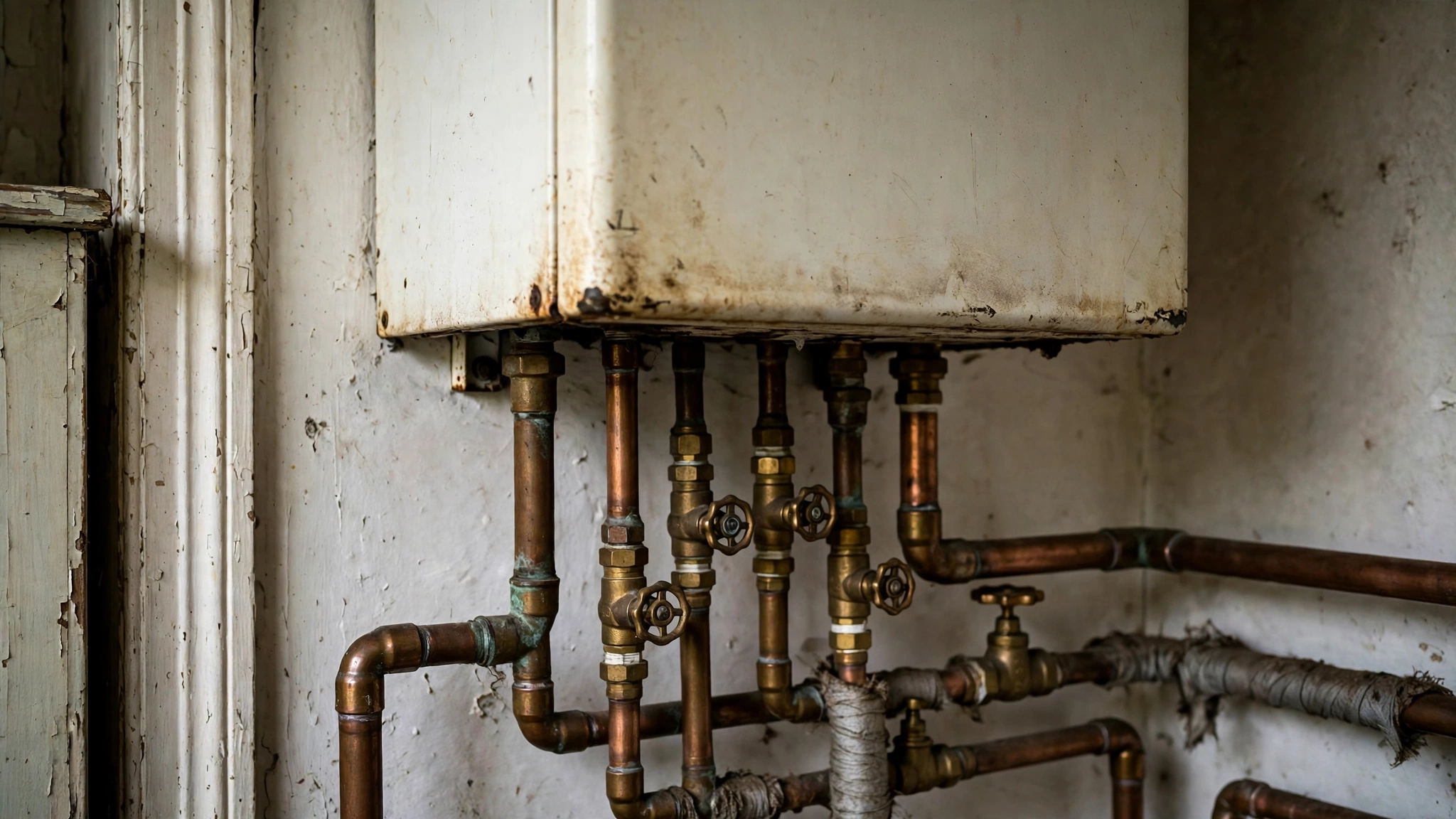
That said, replacement is not always the right first step. A single failed component — a pump, a valve, a thermostat, or an ignition part — can often be repaired for far less than a new boiler, and a system that is dirty or unbalanced can sometimes be improved by flushing, cleaning, and balancing without replacing the boiler at all. Ask a qualified professional to explain what has actually failed, whether the part is available, what the repair would cost, and how long the repair is likely to last. If two different professionals give you very different advice, that is a good reason to ask each of them to put their reasoning in writing before you decide.
Like-for-like replacement vs a system change
A like-for-like replacement keeps the same fuel, the same boiler type, and the same location. The installer removes the old boiler, fits the new one, connects it to the existing pipework, flue, and controls, flushes and treats the system, and commissions it. This is the fastest kind of replacement, because most of the infrastructure is already there. It is also the easiest to compare between installers, because the scope is well defined.
A system change is a bigger job. Common changes include moving from a conventional boiler and cylinder to a combi boiler, moving from a combi boiler to a system boiler with a cylinder, changing fuel, or moving the boiler to a different room. Each change adds work: removing a cylinder frees space but needs pipework changes; adding a cylinder needs space, pipework, and controls; moving a boiler needs a new flue route, a new fuel supply, and new pipework to and from the radiators. A system change can be the right choice — for example, if you want to free the space a cylinder takes up, or if your hot-water needs have changed — but it should be priced as a system change, not as a simple swap. Ask the installer to list separately what is replacement work and what is system-change work, so you can see what the change itself is costing you.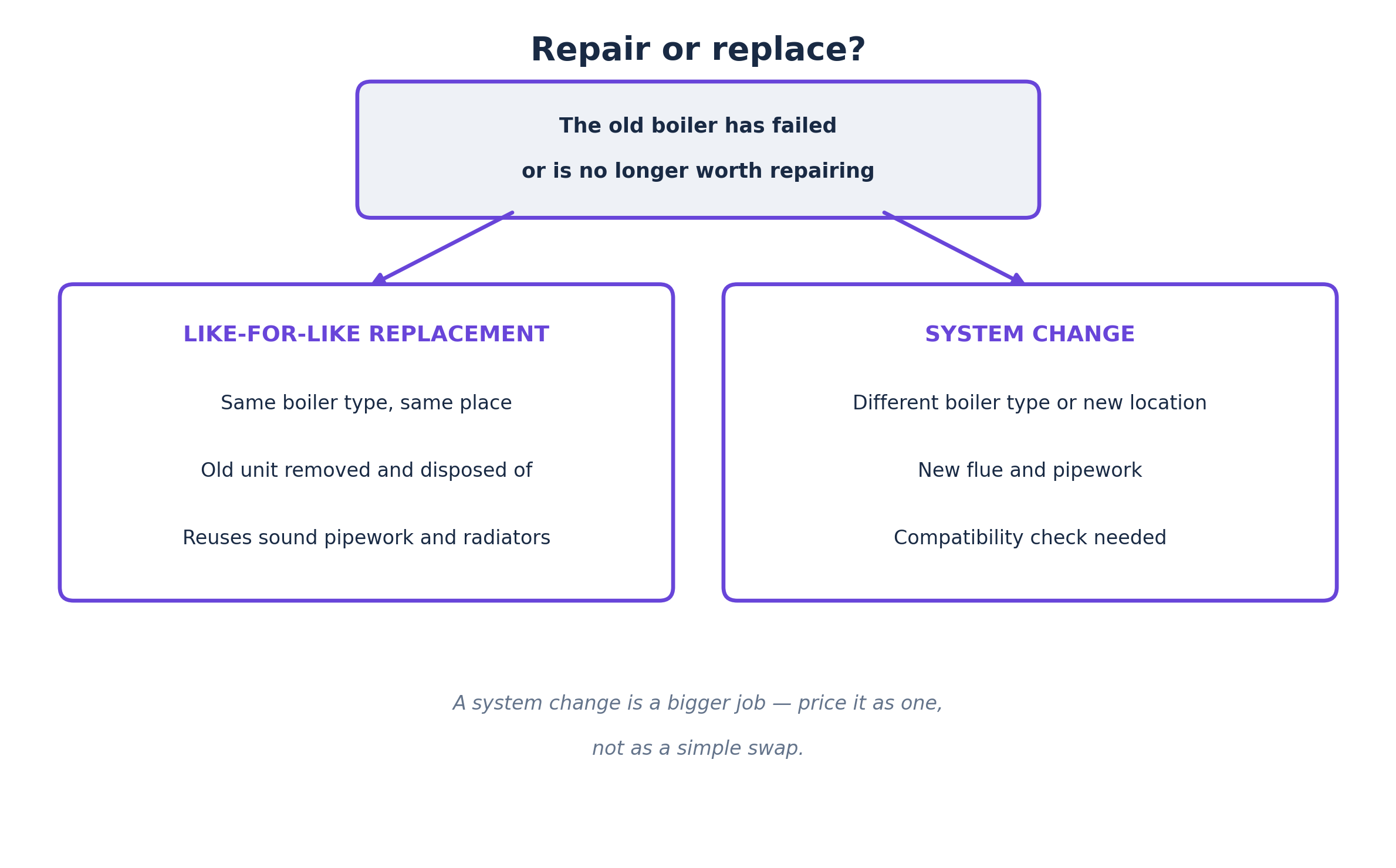
Removing and disposing of the old boiler
Removal is part of the job, and it should be in the quote. The old boiler must be disconnected safely from fuel, water, and electricity, drained, removed, and disposed of in line with local rules. Some components, such as an old oil tank or a large cylinder, need separate handling. Asbestos is a particular concern in some older homes: pipe lagging, flue components, or boiler parts installed decades ago may contain asbestos, and if that is suspected, the work must be handled by suitably qualified people under the applicable rules. Do not disturb suspect material yourself, and do not accept a quote that ignores it. Ask the installer what disposal is included, whether the old boiler, cylinder, and controls are removed, and whether the work area is left clean and safe.
Compatibility: will the new boiler suit the old system?
A new boiler has to work with the radiators, pipework, and controls that stay behind. That compatibility check is one of the most important parts of a replacement, and it is where a cheap swap can go wrong.
Radiators sized for an older boiler running at high water temperatures may be too small for a modern condensing boiler running at lower temperatures, which means rooms may heat slowly even though the boiler itself is powerful. Pipework that is narrow, corroded, or partly blocked can restrict flow and leave some radiators cold. A system that has never been flushed may carry sludge and debris that can damage a new boiler within months. A thorough installer will check the condition of the pipework and radiators, test the water, and include flushing or cleaning and a chemical inhibitor in the quote. Ask whether a magnetic filter is included to catch debris, and whether the system will be balanced after the new boiler is fitted so that radiators heat evenly.
Controls also need to match. An old thermostat or programmer may not be compatible with the new boiler, or may not make best use of its features. If you are adding zoning, smart controls, or thermostatic radiator valves, those should be quoted as part of the same job, with the installer explaining how they will be set up and how you should use them.
Efficiency and running costs
A new boiler is usually more efficient than the one it replaces, particularly if the old boiler is twenty or more years old. A modern condensing boiler recovers heat from its exhaust gases, and when it is set up to run with cool return water, it can use noticeably less fuel for the same amount of heat. That does not mean every new boiler will save the same amount: the saving depends on how inefficient the old boiler was, how well the new one is sized and set up, how the radiators are sized, and how you use the heating.
Be cautious of any claim that a particular boiler will cut your fuel bill by a fixed percentage. No installer can promise that without knowing your home, your old boiler, and your heating habits. Ask instead for the new boiler’s efficiency rating, how it was sized, what flow temperature it will run at, and what the installer will do at commissioning to make sure it actually condenses in normal use. Those answers tell you far more about real running costs than a headline percentage.
Labor, materials, and what is usually included
Labor for a replacement covers removal, fitting, pipework changes, flue work, electrical connections, flushing, commissioning, and handover. The time needed depends on how much changes: a like-for-like swap in the same location with good access takes less time than a system change, a relocation, or a job where pipework has to be rerouted through finished rooms. Materials beyond the boiler itself can include the flue, condensate pipework, valves, a filter, a pump if one is not built in, controls, pipe, fittings, and water-treatment chemicals. Each of these should be named in the quote, not hidden under a single “materials” line.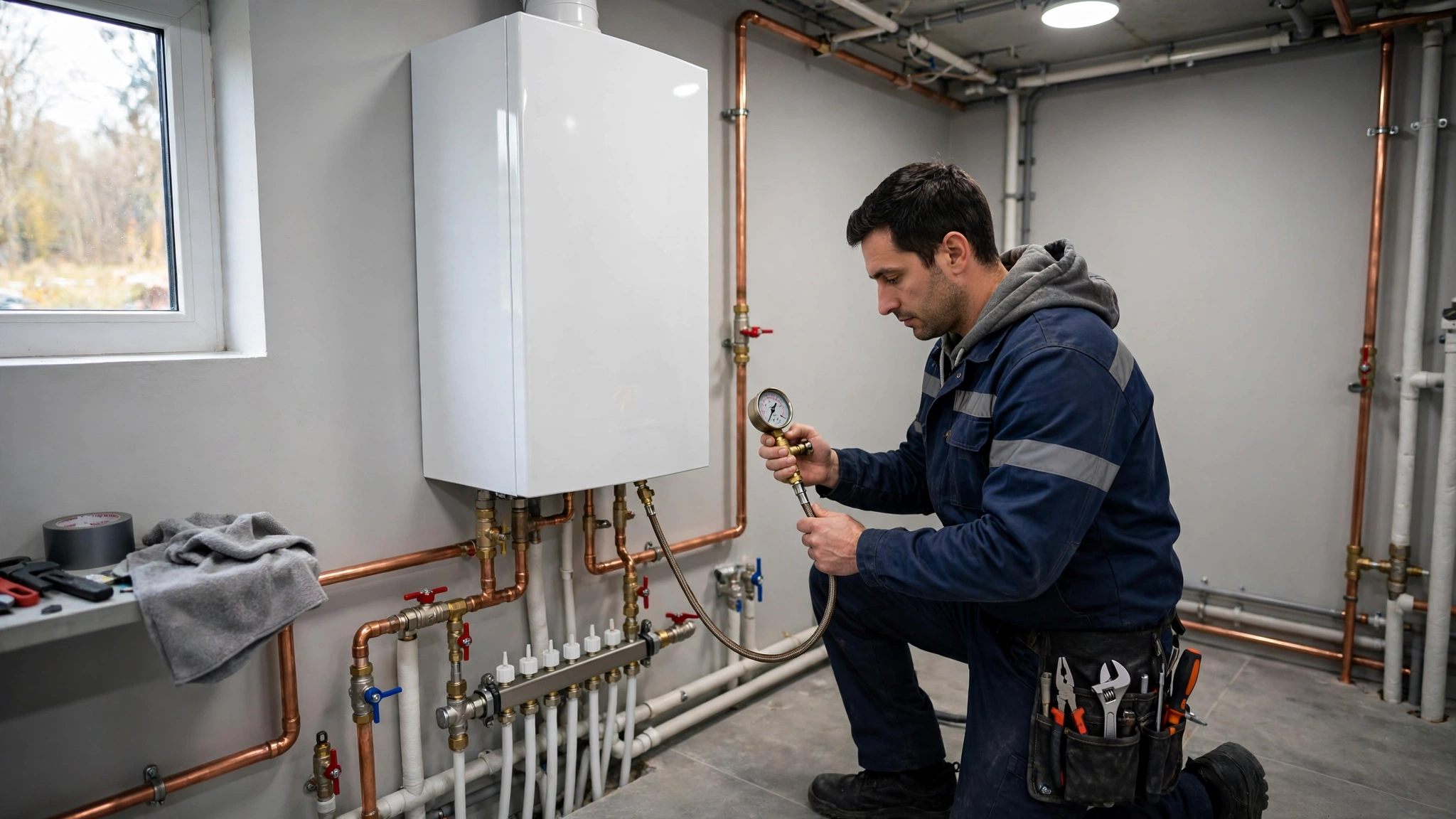
Check that the quote also covers the permit and inspection, if one is required in your area, and the making-good: patching walls or floors where pipework was changed, and removing packaging and the old equipment. Ask what warranty covers the boiler, what covers the installer’s work, and how long each lasts. A long boiler warranty is only useful if the boiler was installed and registered in line with the manufacturer’s requirements, so ask the installer to confirm registration as part of the handover.
Steam boilers and other special cases
Most homes in the United States with a boiler have a hot-water system, but some older homes have a steam boiler. Steam systems work differently: they need specific controls, traps, and pipework, and they are less forgiving of incorrect sizing or installation. If your home has a steam boiler, make sure the installer has experience with steam, and be wary of a quote that treats it like a standard hot-water swap. The search data shows homeowners do ask about steam boiler replacement cost, which is a sign that this is a real source of confusion. A steam replacement should be quoted by someone who can explain, in plain terms, how the steam system will be sized, vented, and controlled.
How to compare replacement quotes
Get itemized written quotes from more than one qualified installer, all covering the same scope. Each quote should name the boiler make and model, its efficiency rating, whether it is like-for-like or a system change, what is being removed and disposed of, what pipework and radiators are included, the flue type and route, the controls, the flushing and water treatment, the permit and inspection, and the making-good. If one quote is much lower than the others, look for what it leaves out — often the flushing, the filter, the controls, or the permit.
Useful questions to ask every installer: What exactly has failed, or why are you recommending replacement rather than repair? Is this a like-for-like replacement or a system change, and what does the change add? Have you checked the radiators and pipework for compatibility? What flushing, cleaning, and water treatment are included? What warranties cover the boiler and your work, and will the boiler be registered? How long will the work take, and will I be without heat or hot water, and for how long?
Repair vs replacement: a short checklist
- Get the fault explained in writing, with the part and the repair cost if repair is an option.
- Ask how old the boiler is, whether parts are still available, and how many breakdowns it has had.
- Ask whether the system needs flushing or radiator changes for a new boiler to work well.
- Compare a repair quote with a replacement quote for the same scope, not a repair quote with a replacement quote that leaves out the flue or controls.
- If you plan to stay in the home for many years, weigh reliability and efficiency; if you plan to move soon, weigh what a buyer will reasonably expect from the heating system.
- Do not rush a replacement decision while the heating is off in cold weather if you can avoid it — a temporary repair or a short delay for a second quote can be worth it.
FAQs
How much does it cost to replace a boiler?
It depends on the new boiler, whether the replacement is like-for-like or a system change, the removal and disposal of the old boiler, and any pipework, flue, or control changes. Use the Boiler Replacement Cost Calculator to build an estimate for your home, then compare itemized quotes from qualified installers.
Is it cheaper to repair or replace a boiler?
It depends on what has failed, the age of the boiler, whether parts are available, and how often it has broken down. A single failed component can often be repaired for less than a replacement. Ask a qualified professional to explain the fault, the repair cost, and how long the repair is likely to last.
How long does a boiler replacement take?
A like-for-like replacement usually takes less time than a system change or a relocation. Ask each installer for a written schedule that includes removal, fitting, flushing, commissioning, and handover, and whether you will be without heat or hot water during the work.
Will a new boiler work with my existing radiators?
It may, but it needs checking. Radiators sized for an older boiler running at high temperatures may be too small for a modern condensing boiler running at lower temperatures. Ask the installer to check radiator sizes, pipework condition, and water quality before quoting.
What is included in a boiler replacement quote?
A complete quote should name the boiler, cover removal and disposal, pipework and flue work, controls, flushing and water treatment, the permit and inspection if required, commissioning, and making-good. Ask for anything missing to be added in writing.
Do I need a permit to replace a boiler?
Most areas require a permit or inspection for a boiler replacement, particularly for gas, oil, venting, or electrical work. Confirm with your installer who arranges it and what the fees are.
What is a steam boiler replacement?
A steam boiler heats a home with steam rather than hot water, and it needs specific sizing, venting, and controls. If your home has a steam boiler, use an installer with steam experience and ask them to explain how the system will be sized and controlled.
Conclusion
Boiler replacement is a decision about the whole heating system, not just the boiler on the wall. A like-for-like replacement is the simplest path, a system change adds work and cost but can be the right choice for a changed home, and a repair is sometimes the sensible first step. Work through the compatibility and scope questions above, build an estimate with the Boiler Replacement Cost Calculator, and compare itemized quotes from qualified installers who can explain, in writing, why they recommend replacement and what is included. That is how you pay for a system that works well with your home, rather than for a boiler that does not suit the radiators and pipework it has to heat.
