
How Much Does It Cost to Install a New Boiler?
Direct answer
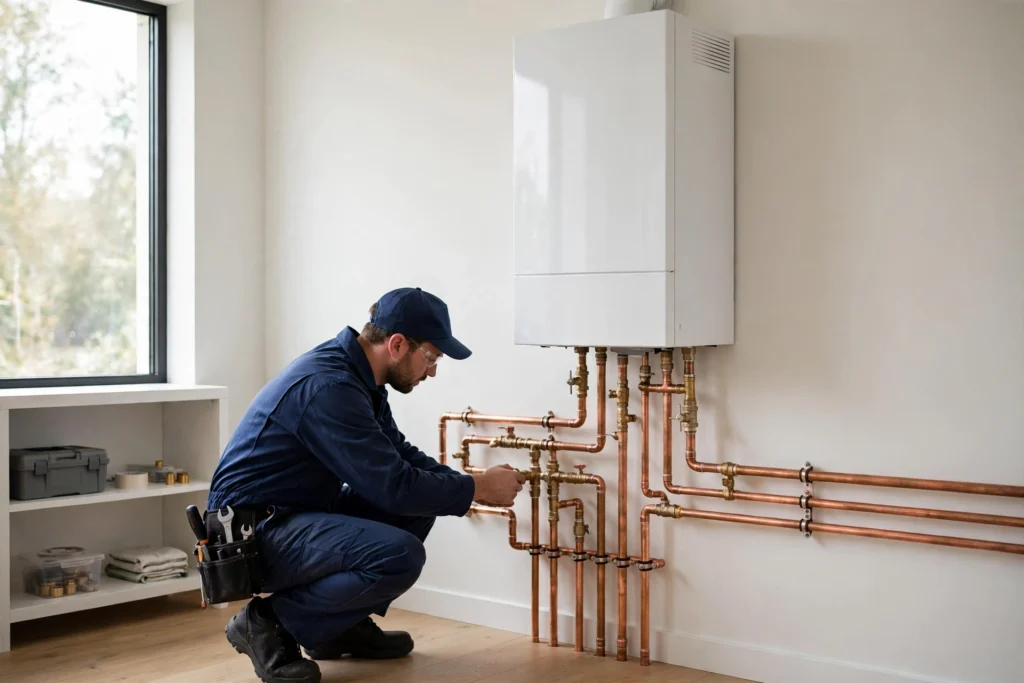
The cost to install a new boiler depends mainly on the type of boiler, the size your home needs, the fuel available, and how much new piping, venting, and electrical work the installation requires. A straightforward installation in a home that already has compatible pipework and a suitable flue route will usually cost less than a first-time installation that needs new radiators or baseboards, new gas or oil lines, a new vent, and upgraded controls. Because labor rates, permits, and home layouts vary so much across the United States, there is no single national price that fits every home. The most reliable way to budget is to work through the main cost drivers below, then use the Boiler Installation Cost Calculator to build an estimate for your own home, and compare detailed written quotes from qualified local installers.
Use the Boiler Installation Cost Calculator early in your planning. It helps you see how boiler type, home size, and system choices change the estimate before you invite installers to quote.
What the calculator shows for a typical example
The figures below come from a fresh read of the live Boiler Installation Cost Calculator on November 8, 2026. They are planning estimates for one stated example only — about 105,000 BTU/h (a 2,000–2,500 sq ft home), standard efficiency, using existing radiators or baseboard — not a quote for your home. Change any of those assumptions and the estimate changes.
| Boiler type | Budget | Standard | Premium |
|---|---|---|---|
| Gas hot-water, standard efficiency | $4,375 | $6,910 | $11,145 |
| Oil-fired, with a new tank | $5,965 | $9,410 | $15,205 |
| Electric | $3,125 | $5,035 | $8,235 |
| Gas combi | $5,005 | $8,025 | $13,065 |
The calculator describes a standard-efficiency gas boiler installation at about $6,900 at the Standard level for this example. Optional upgrades shown on the calculator include an indirect hot-water tank at about $1,580, a magnetic dirt separator at about $380, an outdoor reset control at about $470, and carbon monoxide alarms at about $100. The permit and inspection allowance is about $400 at the Standard level, and timing matters: urgent work adds about 15% to labor, and emergency or after-hours work adds about 40% to labor. Use the calculator with your own home size, boiler type, and choices to get an estimate that reflects your project, rather than relying on the example above.
What “new boiler installation” means
A new boiler installation is not the same as a boiler replacement. Replacement means taking out an old boiler and fitting a new one in its place, often reusing much of the existing pipework, radiators, and flue. A new installation usually means fitting a boiler system where there was not one before, or fitting a substantially different system — for example, moving from electric baseboard heaters or a furnace to a hydronic boiler system, or adding a boiler to heat an extension. That distinction matters for cost, because a new installation can involve work a replacement does not: new distribution pipework, new radiators or underfloor circuits, a new fuel supply, a new flue or vent, condensate drainage, and new controls. If you are replacing an existing boiler, read the companion guide on boiler replacement cost instead, which focuses on removal, disposal, and like-for-like versus system-change decisions.
How boiler type affects the cost
The boiler itself is usually the largest single equipment cost, and the type you choose shapes almost everything else in the project.
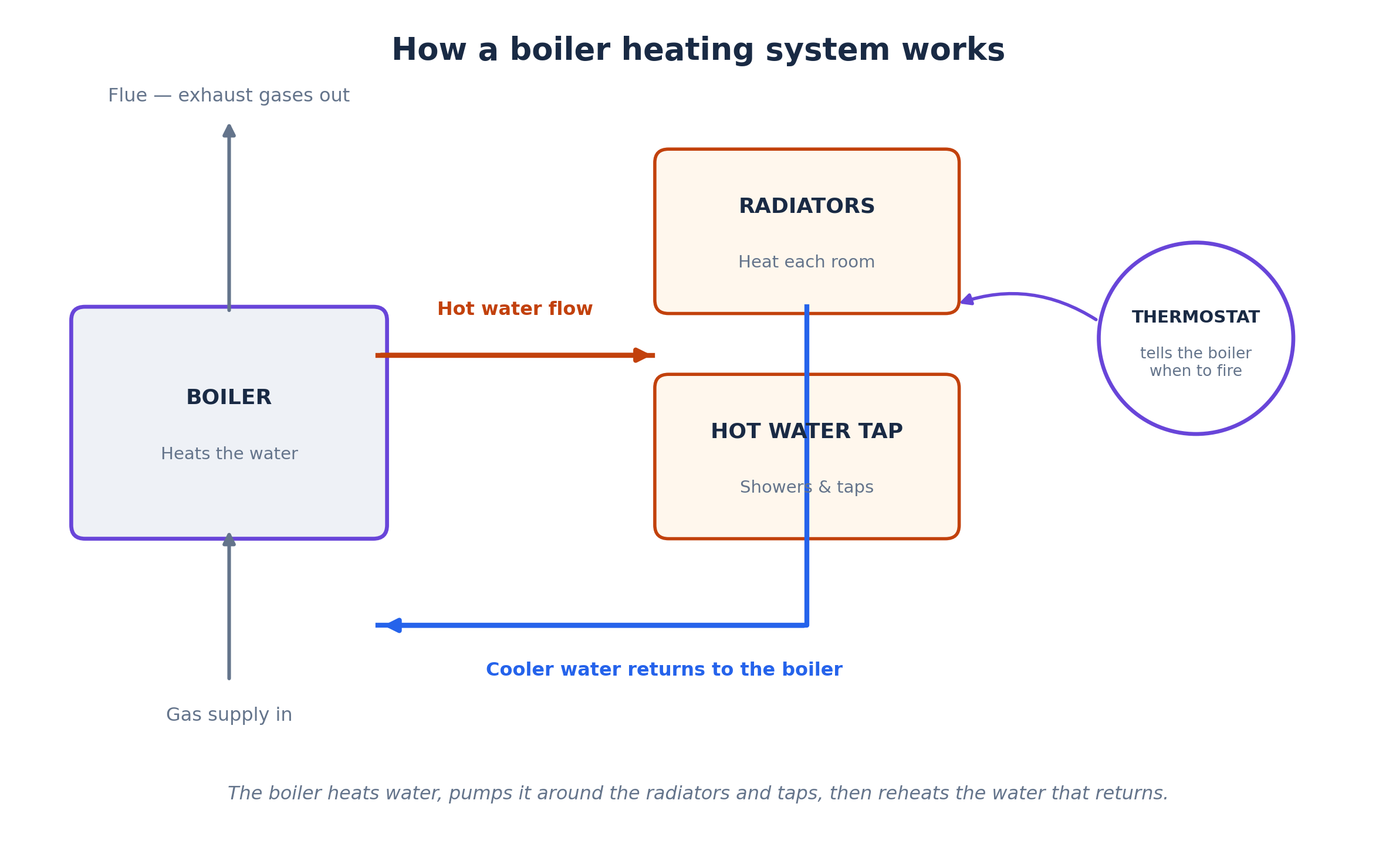
A conventional gas boiler heats water and sends it to radiators or baseboards, with hot water usually stored in a separate cylinder. It is a familiar setup in many older homes, and it can suit homes with several bathrooms that need hot water at more than one tap at the same time. An oil boiler works on the same principle but burns heating oil, so it needs a storage tank and a suitable delivery route; homes without a natural gas connection often consider oil, propane, or electric options instead.
A combi boiler — short for combination boiler — provides heating and hot water from one unit, without a separate hot-water cylinder. That can save space and simplify the system, which is one reason combi boilers are popular in smaller homes and apartments. In a larger home with several bathrooms, a combi boiler may need careful sizing, because its hot-water flow rate limits how many taps or showers can run well at once. A system boiler sits between the two: it has many of the components of a conventional system built in, but still uses a separate hot-water cylinder.
Electric boilers have no flue and no gas or oil supply to install, which can simplify some parts of the job. They can be a practical choice where gas is unavailable, but running costs depend heavily on local electricity prices, so they are worth comparing carefully on total cost, not equipment price alone.
Efficiency also matters. A condensing boiler recovers heat from its exhaust gases and is generally more efficient than an older non-condensing design. Higher-efficiency models usually cost more to buy, and they need a condensate drain and a suitable flue, but they can use less fuel over time. Ask installers to explain the efficiency rating of the models they quote in plain terms, and to show how it relates to your home rather than to a laboratory test alone.
Sizing the boiler for your home
Boiler size is measured by heat output, not by physical size alone. A boiler that is too small may struggle on the coldest days and leave rooms slow to warm up. A boiler that is far too large can cycle on and off frequently, which can waste fuel and wear components. Correct sizing starts with a heat-loss calculation for your home: how much heat escapes through walls, windows, the roof, and floors at the coldest outdoor temperature your area is designed for, and how much heat the radiators or underfloor circuits can actually deliver at the water temperatures the boiler will run at.
Home size alone does not determine boiler size. Insulation, window quality, ceiling height, the number of bathrooms, how many people live in the home, and whether you want fast hot-water recovery all play a part. An installer who sizes a boiler from square footage alone, without asking about insulation, windows, and hot-water use, is cutting a corner. Ask how the size was calculated, what design temperature was assumed, and whether the radiators were checked against the boiler’s planned flow temperature. A condensing boiler, for example, only reaches its best efficiency when the returning water is cool enough to condense, which depends on radiator size and system design — another reason the boiler and the radiators should be considered together.
Fuel supply, venting, and condensate
Fuel and venting work is often where a “new” installation differs most from a simple swap. A gas boiler needs a gas supply of the right size, run safely to the boiler’s location, with the meter and pipework checked for capacity. If the existing gas line is too small, or if the boiler is being fitted a long way from the meter, the gas work adds cost and time. An oil boiler needs a tank, a safe base, a fill route for deliveries, and an oil line to the boiler. A propane system needs a tank and a supply arrangement agreed with the fuel supplier.
Venting — the flue that carries exhaust gases outside — must follow the manufacturer’s instructions and local code. A short, straight flue through a nearby outside wall is simpler than a long flue run, a vertical flue through a roof, or a flue that has to pass through several rooms. The flue terminal must also be positioned safely away from windows, doors, and neighboring boundaries. Condensing boilers produce acidic condensate that must drain safely, usually to a drain or a soakaway, and in cold climates the condensate pipe needs protection against freezing. These are not cosmetic details: get them wrong and the boiler may not run safely or reliably, and the installer may have to return to correct them.
Pipework, radiators, and controls
A new boiler needs a distribution system to carry heat around the home. In a home with no existing hydronic system, that means new pipework, radiators or baseboard heaters, and in some homes underfloor heating circuits. The amount of pipework depends on the layout: a compact single-story home with radiators close to the boiler needs far less pipe than a large two-story home with rooms at opposite ends. Pipe runs through finished walls, floors, and ceilings take longer and need more making-good afterwards than runs through an unfinished basement or a crawl space.
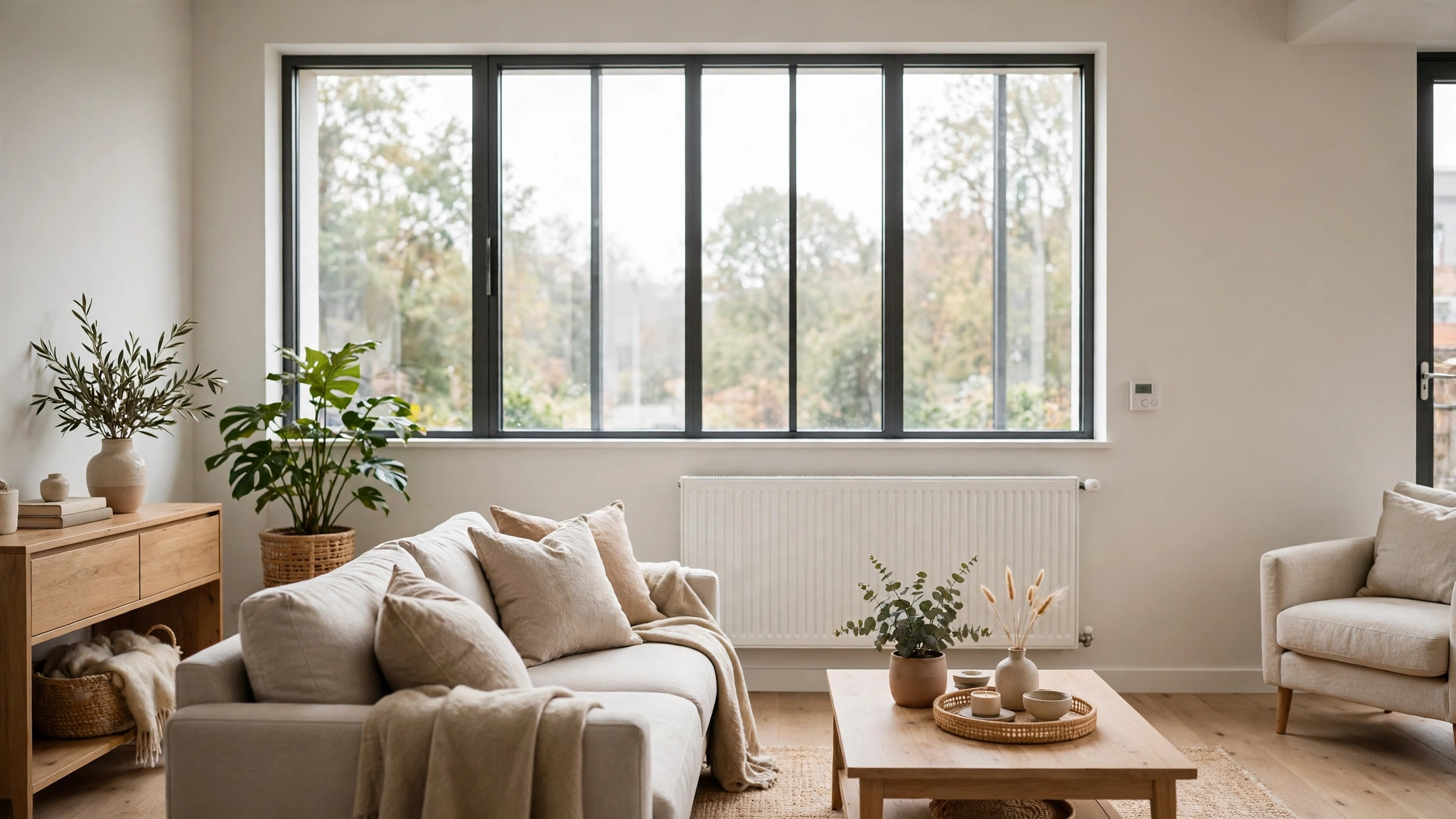
Radiators and baseboards must be sized to the rooms they heat, not just chosen to fit the wall space. Undersized radiators will leave a room cold even with a powerful boiler. Thermostatic radiator valves, room thermostats, and zoning — heating different parts of the home at different times — add equipment cost but can improve comfort and control. Modern controls, including programmable and smart thermostats, can help you heat only the rooms you use, but they need to be compatible with the boiler you choose, and they need to be set up and explained, not just fitted and left on default settings.
Labor and installation work
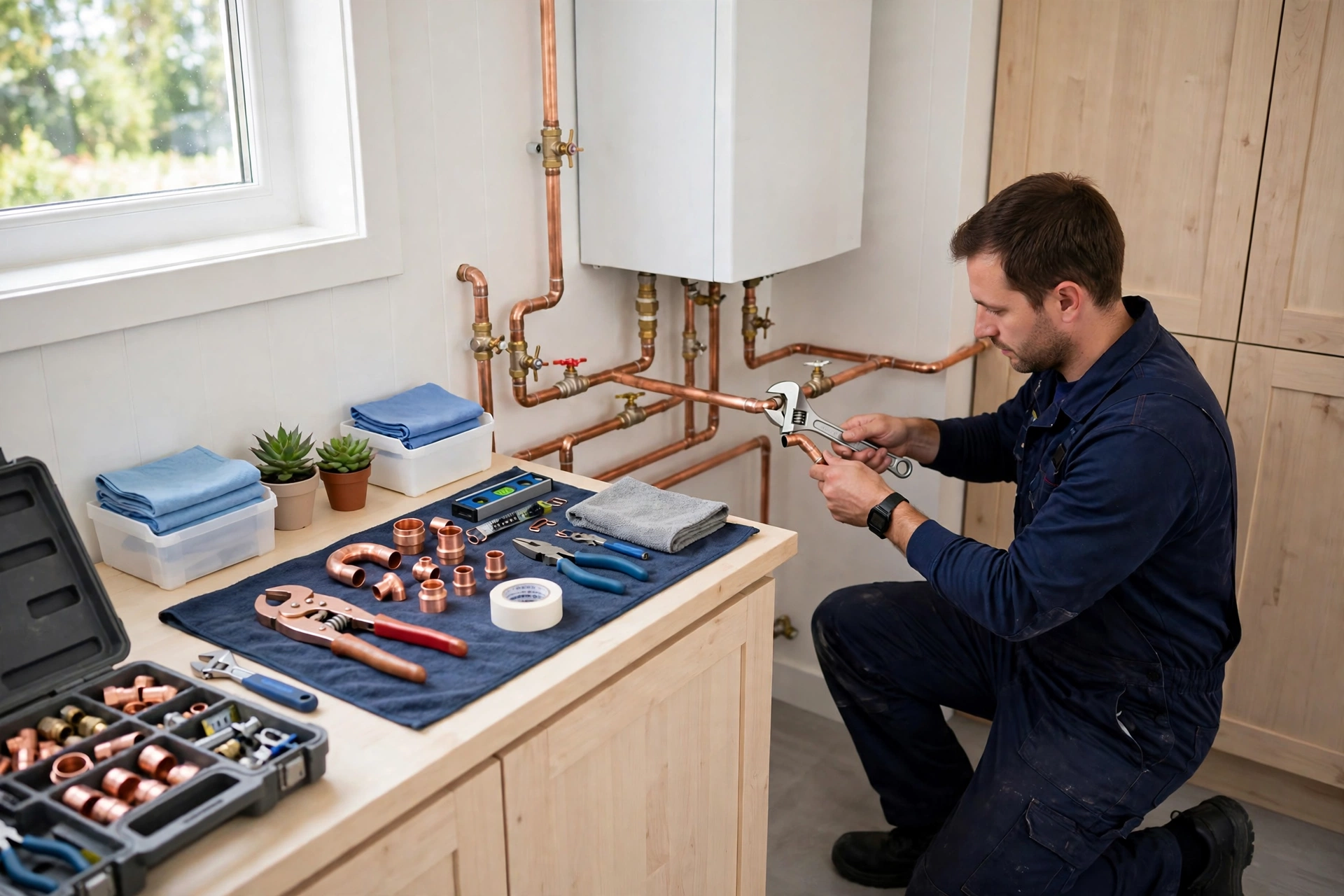
Labor is usually the second-largest part of a new boiler installation, after the boiler itself, and it varies with the scope of the work. A straightforward installation with short pipe and flue runs, good access, and no structural changes takes fewer installer-days than a job that involves lifting floors, opening walls, running long pipe routes, or working in a cramped utility space. Older homes can add surprises: pipework that needs rerouting around unexpected structure, water quality that needs treatment, or a system that needs thorough flushing before the new boiler is connected.
A thorough installer will also allow time for commissioning: filling and venting the system, checking for leaks, setting the boiler’s controls, balancing the radiators so rooms heat evenly, testing safety devices, and showing you how to use the system. That handover time is part of the job, not an optional extra. When you compare quotes, check that commissioning, system flushing or cleaning, inhibitor treatment for the water, and a demonstration are included, and ask what warranty covers the boiler, the installation work, and any parts fitted as part of the job.
Permits, inspections, and making good
Most areas require a permit or inspection for a new boiler installation, particularly where gas, oil, venting, or electrical work is involved. Permit fees vary by locality, and the installer usually arranges the permit and the inspection as part of the job — confirm that in writing, and ask who pays the fee. Electrical work may also be needed: a new circuit, a fused connection, or an upgrade if the existing panel has no spare capacity.
Making good is easy to overlook in a budget. New pipework can mean lifting floorboards, cutting into drywall, and repainting or patching afterwards. Ask each installer what making-good is included in their price, what is left for you or another trade, and whether the old equipment or packaging is removed. If the boiler is going into a new location — a garage, a utility room, or a converted space — there may also be work to provide a suitable base, ventilation, lighting, or access for servicing.
What can push the cost up — and what can keep it down
Several factors commonly raise the cost of a new boiler installation: a larger or higher-efficiency boiler; a long or complex flue route; a new fuel supply or tank; a full set of new radiators or underfloor heating; poor access; an older home with fragile pipework; and the need for permits, electrical upgrades, or extensive making-good. A home that already has suitable pipework, a short flue route, and a convenient boiler location will usually be at the lower end of the range for its boiler type.
A few choices can keep the project simpler without cutting corners. Keeping the boiler close to the flue terminal and the fuel supply shortens runs. Choosing a boiler size based on a real heat-loss calculation avoids paying for capacity you do not need. Reusing sound existing radiators where they are correctly sized can save money, provided they are flushed, checked, and balanced. And getting the controls set up properly at handover helps the system run efficiently from the start, which matters more over the life of the boiler than a small saving on the installation day.
How to compare installer quotes
Do not compare quotes on the headline total alone. Ask each installer for an itemized written quote that names the boiler make and model, its efficiency rating, the size and type of any cylinder, the radiators or circuits included, the flue type and route, the fuel-supply work, the controls, the permit and inspection fees, and the making-good included. Check that each quote covers the same scope — a cheaper quote that leaves out the flue, the controls, or the permit is not cheaper, it is incomplete.
Useful questions to ask every installer: How did you size the boiler, and can you show me the calculation? Is the boiler suitable for condensing operation with my radiators? What flue route do you propose, and where will the condensate drain? What is included for flushing, water treatment, and commissioning? What warranties cover the boiler and your work, and who do I call if something goes wrong? How long will the work take, and what access do you need? A good installer will answer these directly and in writing. If an installer is unwilling to itemize the quote or explain the sizing, treat that as a reason to get another quote.
Planning checklist before you book
- Confirm the fuel available to your home: natural gas, propane, oil, or electricity.
- Note the number of bathrooms, bedrooms, and occupants, and how hot water is used at busy times.
- Check where a boiler could sit, with a short flue route and a safe condensate drain.
- List the rooms to be heated and whether radiators, baseboards, or underfloor heating are planned.
- Ask about insulation and windows, so the heat-loss calculation reflects your home.
- Confirm who arranges permits and inspections, and what they cost.
- Agree what making-good, removal, and handover are included in the price.
- Use the Boiler Installation Cost Calculator to build an estimate for your home before you compare quotes, so you can spot a quote that is missing a major item.
FAQs
How much does it cost to install a new boiler?
It depends on the boiler type, the size your home needs, the fuel supply, the flue route, and how much new pipework and radiator work is required. There is no single national price. Use the Boiler Installation Cost Calculator to build an estimate for your home, then compare itemized quotes from qualified local installers.
What is the difference between a new boiler installation and a boiler replacement?
A replacement removes an old boiler and fits a new one, often reusing existing pipework and radiators. A new installation usually means fitting a boiler system where there was not one before, or fitting a substantially different system, which can involve new pipework, radiators, fuel supply, venting, and controls.
How do I know what size boiler I need?
Boiler size should come from a heat-loss calculation for your home, not from square footage alone. Insulation, windows, ceiling height, the number of bathrooms, and hot-water use all affect the size. Ask the installer to show how the size was calculated.
Is a combi boiler cheaper to install than a conventional boiler?
A combi boiler can be simpler because it needs no separate hot-water cylinder, which can save space and some pipework. Whether it is cheaper overall depends on your home, your hot-water needs, and the rest of the system. In a larger home with several bathrooms, a combi boiler may need careful sizing, so compare quotes for the same scope.
Do I need a permit to install a new boiler?
Most areas require a permit or inspection for a new boiler installation, particularly for gas, oil, venting, or electrical work. Confirm with your installer who arranges the permit and inspection and what the fees are.
How long does a new boiler installation take?
It depends on the scope. A straightforward installation with short pipe and flue runs takes less time than a first-time system with new radiators, long pipe routes, or work in finished rooms. Ask each installer for a written schedule that includes commissioning and handover.
Should I get more than one quote?
Yes. Get itemized written quotes from more than one qualified installer, covering the same boiler model, scope, flue, controls, permits, and making-good, so you are comparing like with like.
Conclusion
A new boiler installation is a system, not just a box on the wall. The boiler type, the size, the fuel supply, the flue, the radiators, and the controls all affect the final cost, and the cheapest quote is only good value if it covers the whole job. Work through the cost drivers above, build an estimate with the Boiler Installation Cost Calculator, and compare itemized quotes from qualified installers who can explain their sizing and their scope in writing. That is how you budget for a system that heats your home reliably for years, rather than for a price that leaves out the work that matters.
